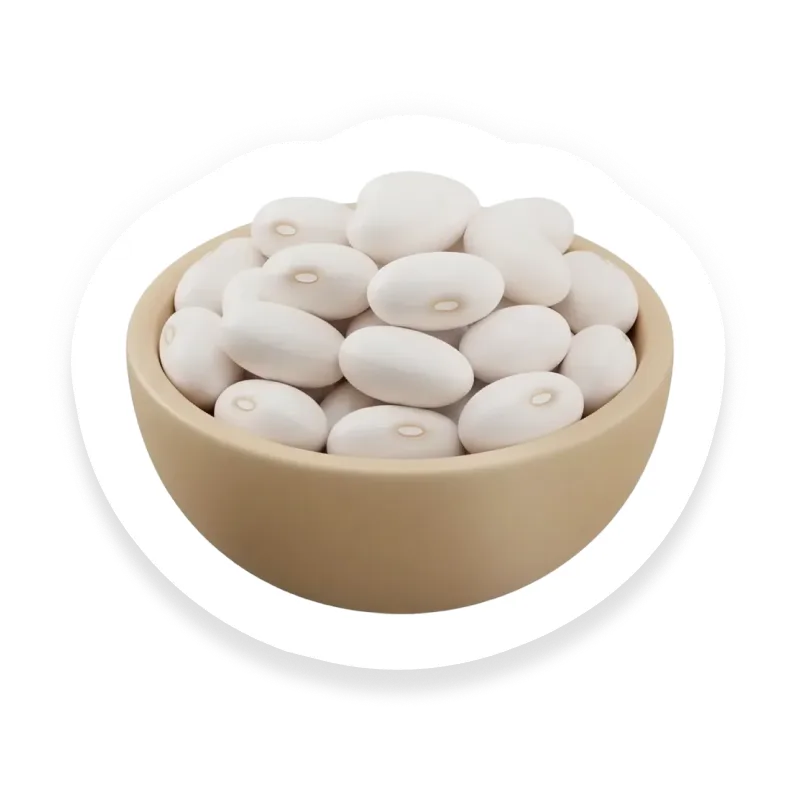
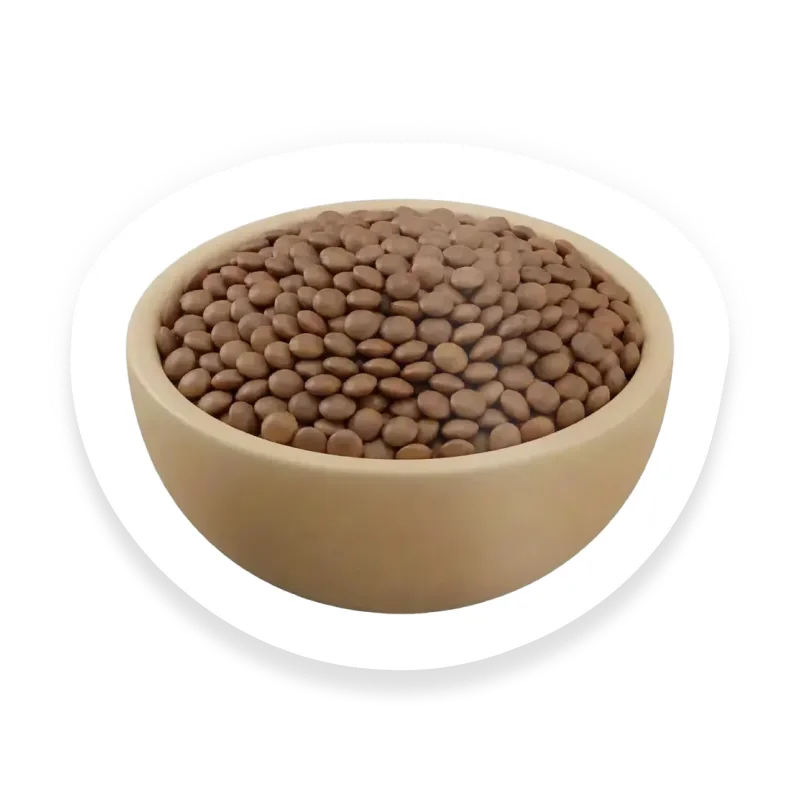
Great Northern Bean
Legume
Is Great Northern Bean Safe for Babies?
Yes, babies can eat cooked and mashed great northern beans starting around 6 months old as part of a varied diet.
Yes, but there are some things to know
At a Glance
Great Northern beans are a good source of iron that helps the body make red blood cells and carry oxygen. They also provide fiber and protein and contain plant based iron that is absorbed better when eaten with vitamin C.
Great Northern beans are high in fiber, with about 12 grams per cooked cup, which helps feed friendly gut bacteria and keeps digestion regular. They also provide iron, folate and a good plant protein, making them filling and supportive of overall digestive and metabolic health.
How Do You Serve Great Northern Bean?
- 1Cook beans until very soft: rinse (and soak if using dried), then simmer or pressure-cook until the beans mash easily.
- 2Puree or mash to a smooth or slightly textured consistency; thin as needed with breast milk, formula, unsweetened yogurt, olive oil, or a little cooking liquid to get a spoonable texture.
- 3Start with a teaspoon or two and introduce slowly, watching for gas or tummy upset for 48–72 hours.
- 4Serve safely — offer on a preloaded spoon or spread thinly on a teething rusk or toast for self-feeding, cool to lukewarm, and avoid whole beans, added salt, or honey to reduce choking and sodium risks.
Is Great Northern Bean a Common Allergen?
Great Northern beans are a legume (white bean) and are not among the common major food allergens (e.g., peanut, milk, egg, soy). Most people tolerate Great Northern beans well, but a small number of individuals can be allergic to beans; those with known peanut or soy (legume) allergies should be cautious because cross-reactivity is possible in some cases. Also check product labels for possible cross-contamination with other top allergens if processed in shared facilities, and consult your child’s allergist before introducing if there’s a history of legume or severe food allergy.
What Nutrients Does Great Northern Bean Have?
Great northern beans are nutrient-dense for babies, providing plant protein, non-heme iron, fiber, folate, zinc, choline, vitamin B6, magnesium, and potassium—nutrients that support blood health, growth, brain development, and muscle function. Pair with a vitamin C–rich food to boost iron absorption. Benefits include sustained energy, improved satiety, and gut-friendly fiber; introduce gradually to minimize gas or digestive upset. Excessive intake may cause gas or GI discomfort but, when cooked and offered as part of a varied diet, they are safe and highly beneficial for infants starting solids.
Is Great Northern Bean a Choking Hazard?
Elevated Choking Risk
Great northern beans pose a choking risk because they are small, round, and can be firm, particularly if undercooked. Parents should supervise closely and stay within arm's reach during feedings, watching for gagging or signs of airway obstruction. If you’re worried about choking or your baby’s swallowing, consult your pediatrician and consider infant first-aid training.
Have More Questions?
Yes. Great northern beans can be introduced to babies around 6 months of age when they are ready for solids, provided they are cooked soft and mashed.
Yes. They are a healthy source of protein, fiber, and micronutrients beneficial for growth, development, and overall health in babies.
No. Great northern beans are not a common allergen, but some individuals may develop allergies to white beans; start with small amounts and monitor any reactions.
Yes. They are small and firm when raw or undercooked, increasing choking risk; serve them thoroughly cooked and mashed in age-appropriate textures.
Yes. Canned or fully cooked dried great northern beans are safe for babies to eat, as long as they are prepared and mashed appropriately.
Is Great Northern Bean safe for your baby?
Get personalized guidance on introducing Great Northern Bean — with prep tips, allergen alerts, and age-specific serving ideas.
Sources
- Micronutrient Intake in Healthy Toddlers: A Multinational Perspective doi.org
- Choline and DHA in Maternal and Infant Nutrition: Synergistic Implications in Brain and Eye Health doi.org
- Angioedema induced by inhalation of vapours from cooked white bean in a child doi.org
- Clinical features of legume allergy in children from a Mediterranean area doi.org
- Managing Cross-Reactivity in Those with Peanut Allergy doi.org
- Cross-reactivity of peanut allergens doi.org
- Oral Allergy Syndrome: An Update for Stomatologists doi.org
- Oral allergy syndrome (NHS) nhs.uk
- Bioactive constituents in pulses and their health benefits doi.org
- Effect of household cooking methods on nutritional and anti nutritional factors in green cowpea pods doi.org
- Phytic acid and related processing effects in pulses doi.org
- Renal lithiasis and nutrition doi.org
- Are Anti-Nutrients Harmful? (Harvard T.H. Chan School of Public Health) hsph.harvard.edu
- Soaking the common bean reduced raffinose-type oligosaccharides doi.org
What Other Legume Can Babies Eat?
See all →
Backed by Science
Data you can trust.
Every food, guideline, and recommendation in Tummi is sourced from leading health institutions and peer-reviewed research.
 Centers for Disease Control and Prevention
Developmental milestones, nutrition guidelines, and allergen introduction timelines.
 American Academy of Pediatrics
Evidence-based feeding recommendations from the leading pediatric authority.
 National Institutes of Health
Peer-reviewed research on infant nutrition, allergies, and food safety.