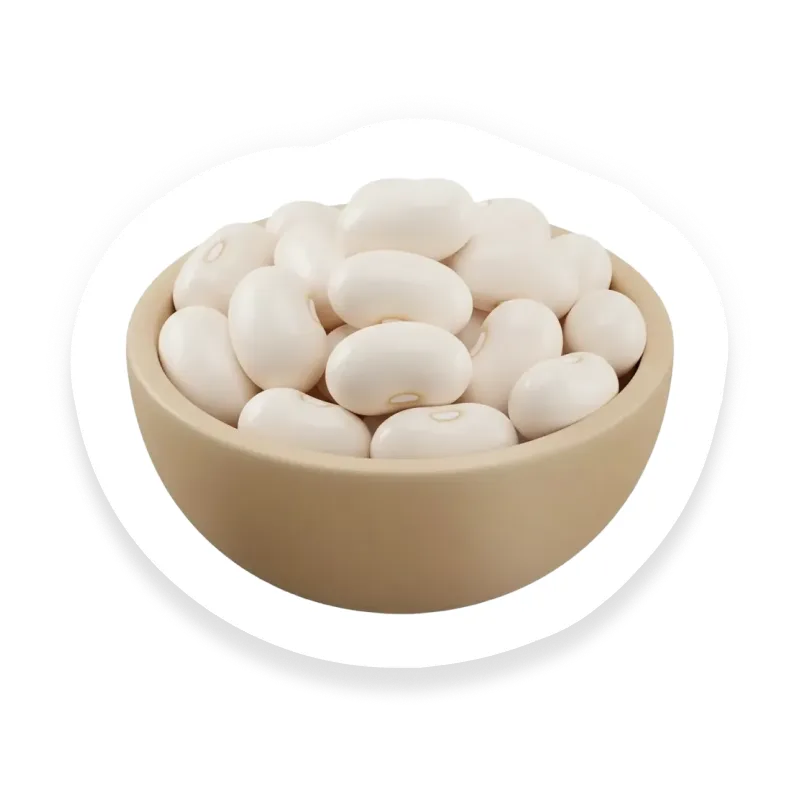
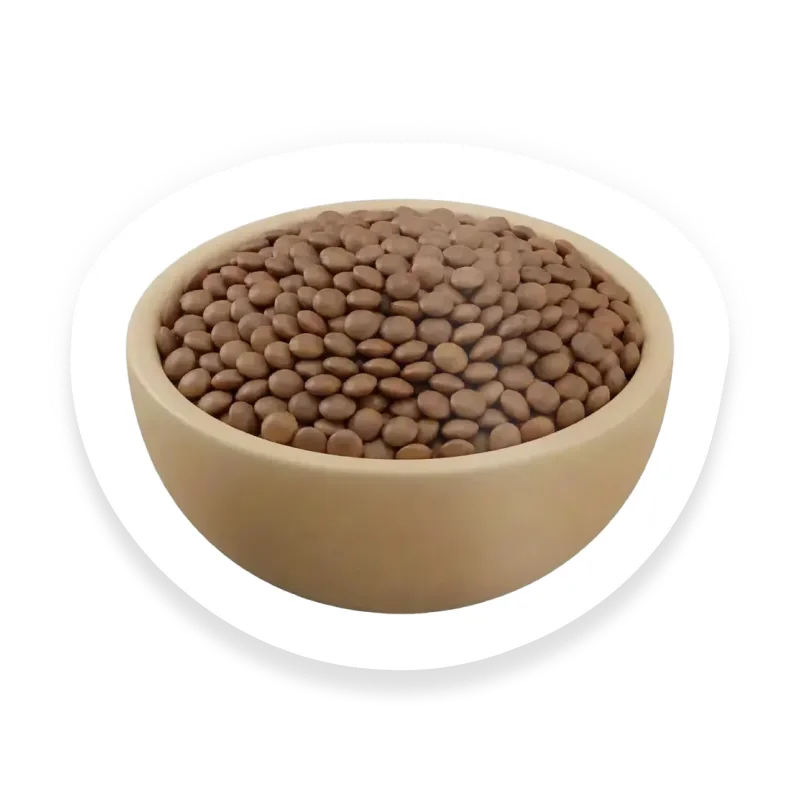
Cannellini Bean
Legume
Is Cannellini Bean Safe for Babies?
Yes, cannellini beans can be introduced around 6 months of age when baby is ready to start solids, prepared until soft and mashed or pureed.
Yes, but there are some things to know
At a Glance
Cooked cannellini beans are rich in iron and also provide folate and protein. Their plant based iron and blood building nutrients help the body make healthy red blood cells.
Cannellini beans are high in fiber, with a cup providing around 11–13 grams that help keep bowel movements regular and ease constipation. They are a plant protein source and contain resistant starch that feeds good bacteria, which supports a healthy digestive system.
How Do You Serve Cannellini Bean?
- 1Drain and rinse canned or fully cooked cannellini beans, then mash or puree to a smooth or slightly textured paste so the baby can practice scooping.
- 2Thin the mash with breast milk, formula, olive oil, a small amount of melted butter, or plain yogurt until it’s soft and scoopable.
- 3Serve small portions on a teething rusk or toast, or stir into mashed vegetables or porridge; warm slightly and test the temperature before feeding.
- 4Start with tiny amounts and increase slowly while watching digestion and any reactions; avoid added salt or sugar and ensure the texture is soft to reduce choking risk.
Is Cannellini Bean a Common Allergen?
Cannellini beans are a white bean (legume) and are not among the common top‑9 food allergens for most people. People with known legume allergies (including to peanuts or soy) can occasionally react to other beans, so exercise caution if your child has a peanut or soy allergy. Processed or canned beans may have cross‑contact with other allergens—always check labels and ingredient statements. For infants and young children, introduce cooked/pureed beans in small amounts and watch for any signs of allergic reaction.
What Nutrients Does Cannellini Bean Have?
Nutrient Snapshot: Cannellini beans are nutrient-dense for babies — a good source of plant protein, fiber, iron, potassium and calcium (and provide B‑vitamins/folate and trace minerals in typical servings). These nutrients support growth and muscle development (protein), red‑blood‑cell formation and brain development (iron, folate), healthy digestion and a diverse gut microbiome (fiber), and bone and electrolyte balance (calcium, potassium). Serve beans with vitamin C–rich foods to improve nonheme iron absorption. Small, age‑appropriate servings are recommended — high amounts of fiber can cause fullness or gas, but toxicity from these nutrients is unlikely from normal servings.
Is Cannellini Bean a Choking Hazard?
Low Choking Risk
Cannellini beans are small and rounded, so they can pose a notable choking risk for infants and young toddlers. When introducing them, stay within arm’s reach and closely watch for signs of choking — sudden coughing, gagging, difficulty breathing, or inability to make noise. Know basic infant choking first aid and be prepared to act quickly if needed.
Have More Questions?
Yes. Cannellini beans can be stored in an airtight container in the refrigerator for 3-4 days or frozen for up to 3 months, making them convenient for batch cooking and meal prep.
Yes. You can freeze pureed cannellini beans in small portions using ice cube trays, which makes thawing and serving easier for babies and toddlers.
It depends. Organic versus conventional cannellini beans have similar nutrient profiles, but organic options are grown without synthetic pesticides, which some parents prefer for their babies.
Yes. Combining cannellini beans with vitamin C-rich foods, like tomato or bell pepper, can enhance iron absorption for your baby.
It depends. Portion sizes for babies depend on their age and appetite, but generally start with 1-2 tablespoons of cooked beans, increasing gradually as tolerated.
Is Cannellini Bean safe for your baby?
Get personalized guidance on introducing Cannellini Bean — with prep tips, allergen alerts, and age-specific serving ideas.
Sources
- Angioedema induced by inhalation of vapours from cooked white bean in a child doi.org
- Clinical features of legume allergy in children from a Mediterranean area doi.org
- Managing Cross-Reactivity in Those with Peanut Allergy doi.org
- Cross-reactivity of peanut allergens doi.org
- Oral Allergy Syndrome: An Update for Stomatologists doi.org
- Oral allergy syndrome (NHS) nhs.uk
- Bioactive constituents in pulses and their health benefits doi.org
- Effect of household cooking methods on nutritional and anti nutritional factors in green cowpea pods doi.org
- Phytic acid and related processing effects doi.org
- Renal lithiasis and nutrition doi.org
- Are Anti-Nutrients Harmful? (Harvard T.H. Chan School of Public Health) hsph.harvard.edu
- Soaking the common bean and raffinose-type oligosaccharides doi.org
What Other Legume Can Babies Eat?
See all →
Backed by Science
Data you can trust.
Every food, guideline, and recommendation in Tummi is sourced from leading health institutions and peer-reviewed research.
 Centers for Disease Control and Prevention
Developmental milestones, nutrition guidelines, and allergen introduction timelines.
 American Academy of Pediatrics
Evidence-based feeding recommendations from the leading pediatric authority.
 National Institutes of Health
Peer-reviewed research on infant nutrition, allergies, and food safety.