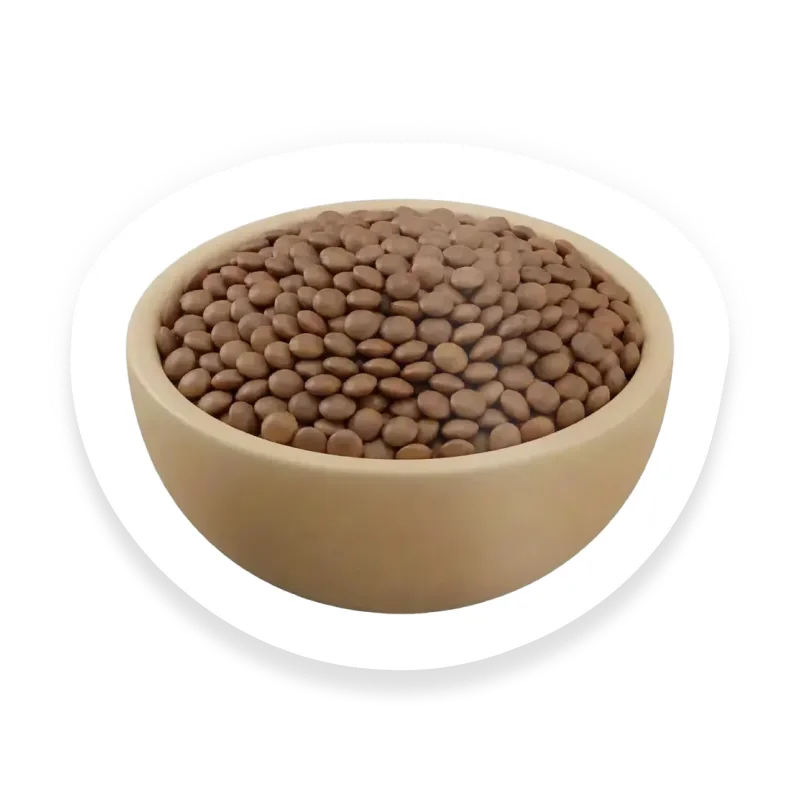
Lentil
Legume
Is Lentil Safe for Babies?
Yes, babies can eat lentils starting around 6 months old, when they are ready to begin solids, ensuring they are cooked and mashed for easy swallowing.
Yes, but there are some things to know
At a Glance
Lentils are a good iron source, with about 6.6 mg of iron per cooked cup to help the body make healthy red blood cells. They also provide protein, fiber and folate, which support iron absorption and overall health.
Cooked lentils are high in fiber and help keep digestion regular by adding bulk and feeding good bacteria in the gut. They also provide plant based protein and iron to support gut health and steady energy.
How Do You Serve Lentil?
- 1Cook lentils until very soft and mostly falling apart — try a 1:3 lentil-to-water ratio and simmer 20–25 minutes, or pressure-cook for about 6–8 minutes, so they are easily scoopable.
- 2Lightly mash or blend to a thick, spoonable texture; if mixing with vegetables or porridge, keep pieces large enough to scoop but soft enough to mash with gums.
- 3Serve warm on a shallow plate or in a small bowl with a pre-loaded spoon or as larger soft shapes (like patties) the baby can grasp to encourage self-feeding.
- 4For variety, fold cooked lentils into mashed sweet potato, yogurt, or porridge. Use small spoonfuls and watch closely for any choking signs.
Is Lentil a Common Allergen?
Although lentils are not tree nuts, peanuts, dairy, eggs, fish, shellfish, gluten, or sesame, they are legumes and can cause allergic reactions in some children. Children with peanut or soy allergies may—rarely—react to lentils due to legume cross-reactivity, so introduce them slowly and watch for symptoms. Note that packaged or mixed lentil products can include other allergens (spices, wheat), so always check labels. For infants, cook and mash lentils well to reduce choking risk and introduce new foods one at a time under supervision.
What Nutrients Does Lentil Have?
Lentils are nutrient‑dense for babies — rich in iron (nonheme), folate, plant protein, zinc, fiber, potassium, and B‑vitamins — supporting red blood cell production, growth, nervous system development, and gut health. Pair lentils with vitamin C–rich foods to boost iron absorption; soaking and thorough cooking reduce phytates and improve digestibility. Well‑prepared lentils are an excellent, low‑sodium way to increase iron and protein intake, though high fiber can cause fullness or gas and phytates may modestly reduce mineral absorption. True toxicity from lentils is unlikely, but don’t rely on them as the sole iron source and consult your pediatrician about supplements or concerns.
Is Lentil a Choking Hazard?
Very Low Choking Risk
Well-cooked lentils present a low choking risk for most babies when matched to their developmental ability, but any food can pose a risk. Always keep your baby seated upright and within an arm’s reach during meals, watch closely for signs of choking versus gagging, and be ready to respond quickly. Consider getting basic infant choking first-aid training so you know how to act if needed.
Have More Questions?
Yes. Lentils can be stored in an airtight container in the refrigerator for up to 3-5 days or frozen for longer storage, making them convenient for meal prep.
Yes. Pureed lentils can be frozen in individual portions using ice cube trays, then transferred to a sealed bag for easy reheating.
Yes. Choosing organic lentils ensures they're grown without synthetic pesticides or fertilizers, though conventional lentils are also nutritious.
Yes. Combining lentils with vitamin C-rich foods like bell peppers or citrus can enhance iron absorption for your baby.
Yes. Serving small portions of cooked, soft lentils 2-3 times a day fits typical feeding patterns for babies 6-12 months old.
Is Lentil safe for your baby?
Get personalized guidance on introducing Lentil — with prep tips, allergen alerts, and age-specific serving ideas.
Sources
- Micronutrient Intake in Healthy Toddlers: A Multinational Perspective pmc.ncbi.nlm.nih.gov
- Iron - Consumer (NIH Office of Dietary Supplements) ods.od.nih.gov
- Clinical features of legume allergy in children from a Mediterranean area pubmed.ncbi.nlm.nih.gov
- Prevalence of Food Sensitization and Food Allergy in Children Across Europe pubmed.ncbi.nlm.nih.gov
- Allergy to lentils in Mediterranean pediatric patients pubmed.ncbi.nlm.nih.gov
- Frequency of food allergy in a pediatric population from Spain pubmed.ncbi.nlm.nih.gov
- Managing Cross-Reactivity in Those with Peanut Allergy pubmed.ncbi.nlm.nih.gov
- Legume cross-reactivity (Allergologia et Immunopathologia, 2003) pubmed.ncbi.nlm.nih.gov
- Oral Allergy Syndrome: An Update for Stomatologists pmc.ncbi.nlm.nih.gov
- A review of the impact of preparation and cooking on the nutritional quality of vegetables and legumes sciencedirect.com
- Changes in levels of phytic acid, lectins and oxalates during soaking and cooking of Canadian pulses pubmed.ncbi.nlm.nih.gov
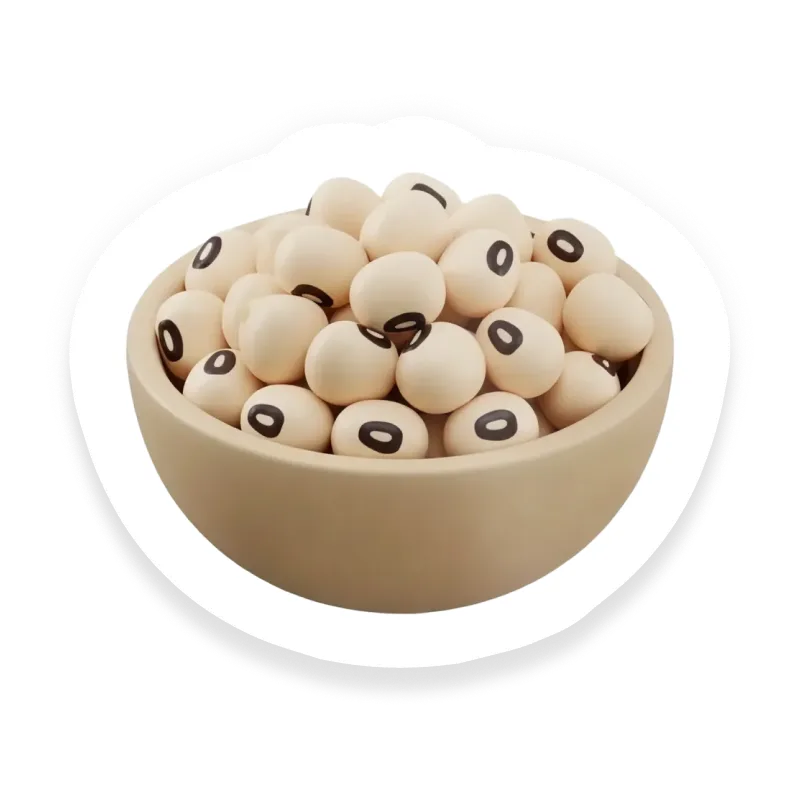
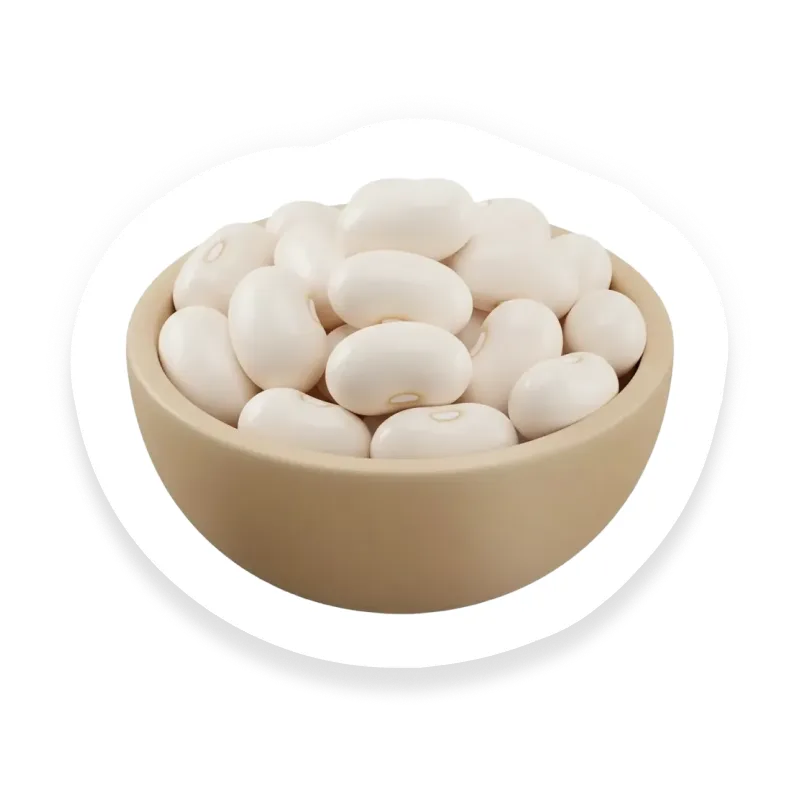
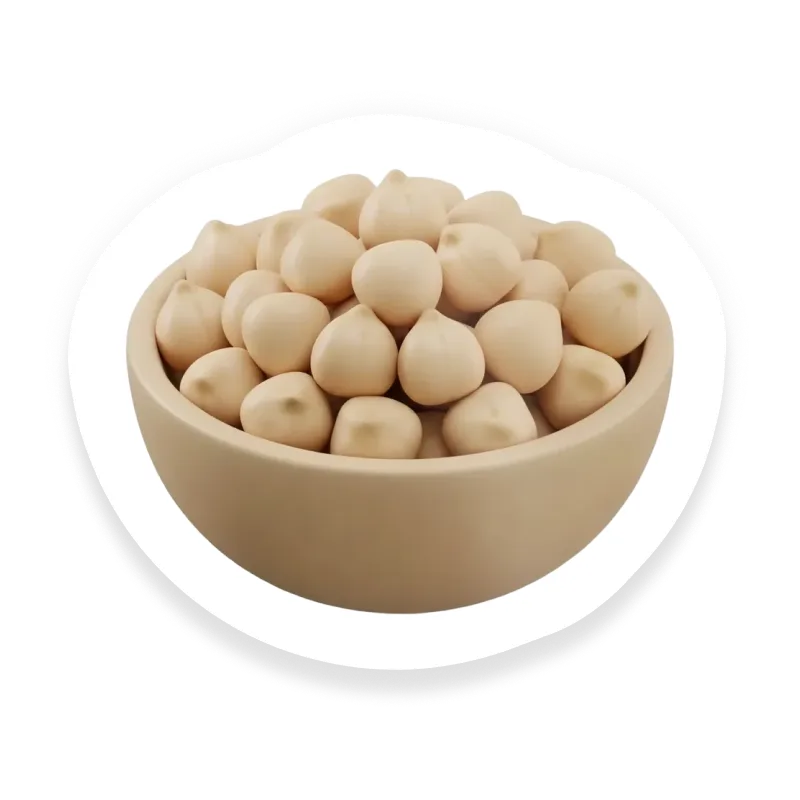
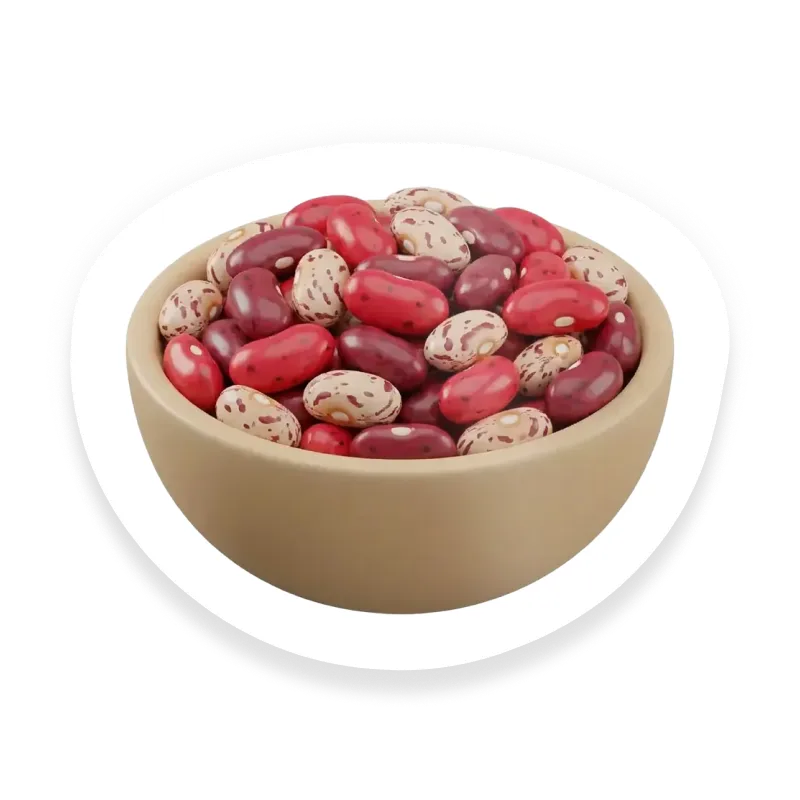
What Other Legume Can Babies Eat?
See all →

Backed by Science
Data you can trust.
Every food, guideline, and recommendation in Tummi is sourced from leading health institutions and peer-reviewed research.
 Centers for Disease Control and Prevention
Developmental milestones, nutrition guidelines, and allergen introduction timelines.
 American Academy of Pediatrics
Evidence-based feeding recommendations from the leading pediatric authority.
 National Institutes of Health
Peer-reviewed research on infant nutrition, allergies, and food safety.