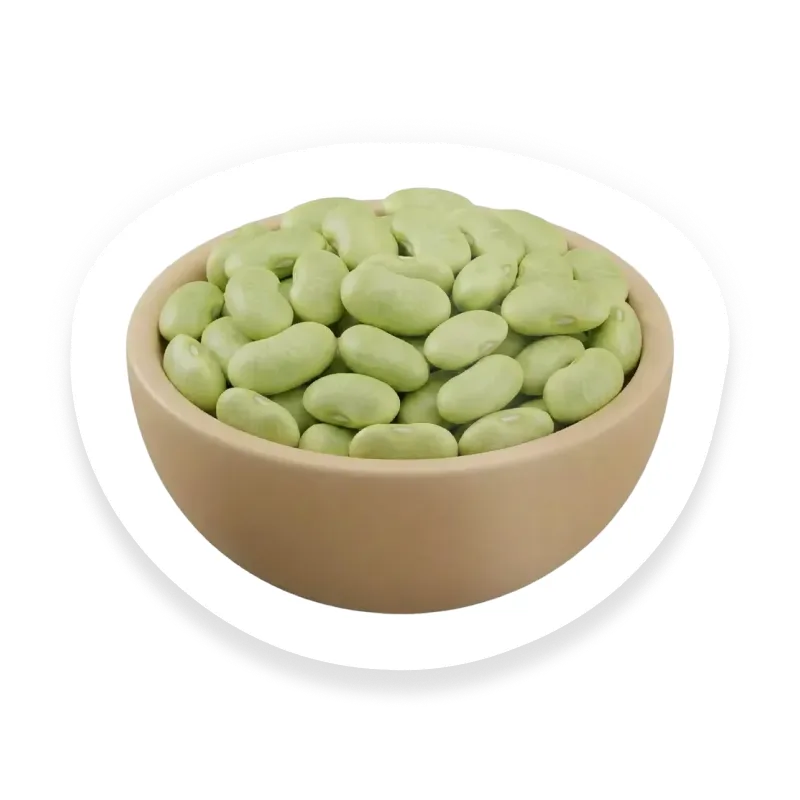
Lima Bean
Legume
Is Lima Bean Safe for Babies?
Yes, babies can eat fully cooked lima beans starting at 6 months, ensuring they are soft and pureed to prevent choking.
Yes, but there are some things to know
At a Glance
Lima beans are a good plant source of iron and also provide folate and protein that help the body make healthy red cells. They also contain fiber and minerals like magnesium to support digestion and steady energy.
How Do You Serve Lima Bean?
- 1Cook lima beans until very soft, then crush or blend to a smooth or lightly textured mash so baby can scoop or eat easily.
- 2Thin the mash as needed with breast milk, formula, a small amount of olive oil, or plain yogurt to reach a spoonable consistency, and always check the temperature before serving.
- 3Offer small amounts spread on toast strips for self-feeding or mixed into soft foods like porridge, mashed vegetables, or rice to add nutrition and familiar flavors.
- 4Start with small portions and introduce slowly to minimize digestive upset (gas or loose stools); watch for any adverse reactions when trying a new food.
Is Lima Bean a Common Allergen?
Lima beans are legumes and are not one of the major top allergens (peanut, tree nut, milk, egg, soy, wheat, fish, shellfish, sesame), but legume allergies can occur rarely. If your child has a known peanut or other legume allergy, introduce lima beans with caution and consult your pediatrician. Do not serve raw or undercooked lima beans—they contain natural compounds that require thorough cooking to destroy. Introduce small amounts when trying a new food and watch for any allergic reactions.
What Nutrients Does Lima Bean Have?
Nutrient Snapshot: Lima beans are a nutrient-dense legume—rich in plant protein, fiber, iron, zinc, folate (vitamin B9), and several B vitamins and choline, making them excellent for growth, brain development, and supporting iron stores. For babies, their iron and zinc are particularly valuable (pair with vitamin C–rich foods to improve iron absorption); fiber and protein help satiety and steady blood sugar. Introduce gradually—too much at once can cause gas or digestive upset, and never serve raw/undercooked lima beans due to toxin risk; also watch for legume cross‑reactivity in children with known allergies.
Is Lima Bean a Choking Hazard?
Elevated Choking Risk
Lima beans are small, rounded, and can be firm—qualities that increase the risk of choking, especially if they’re undercooked. Always supervise babies closely during meals and stay within arm’s reach so you can respond quickly if gagging or choking occurs. Be cautious about offering whole beans to young children and consider their chewing and swallowing skills before doing so.
Have More Questions?
Yes, you can freeze cooked lima beans for later use. Make sure they are fully cooled, then store them in airtight containers or freezer bags for up to 3 months.
It depends on how you store them. Properly stored cooked purees or whole beans in the freezer maintain quality for up to 3 months; avoid freezer burn by using airtight containers.
Yes, selecting organic lima beans ensures they are free from pesticides, but conventional beans are also nutritious. Both types are safe for babies when prepared properly.
Yes, you can safely combine lima beans with other baby foods. Pair them with vegetables or grains to introduce new flavors and textures to your baby’s diet.
It depends on age and texture development. Start with mashed or pureed lima beans around 6 months, then gradually increase chunkiness as your baby masters spoon-feeding.
Is Lima Bean safe for your baby?
Get personalized guidance on introducing Lima Bean — with prep tips, allergen alerts, and age-specific serving ideas.
Sources
- Genetic, morphological and cyanogen content evaluation of a new collection of Caribbean Lima bean (Phaseolus lunatus L.) landraces doi.org
- Effects of Blanching, Soaking, and Cooking on the HCN Yields, Nitrogen, Ash, and Minerals of Lima Beans (Phaseolus lunatus) doi.org
- Effect of processing on the nutrients and anti-nutrients of lima bean (Phaseolus lunatus L.) flour doi.org
- Should I Worry About Cyanide in Lima Beans? (Oregon State University) extension.oregonstate.edu
- A diet containing food rich in soluble and insoluble fiber improves glycemic control and reduces hyperlipidemia... doi.org
- Micronutrient Intake in Healthy Toddlers: A Multinational Perspective doi.org
- Occupational asthma induced by exposure to lima bean doi.org
- Legumes (Including Pulses) — Anaphylaxis Campaign anaphylaxis.org.uk
- Soy Allergy — Cleveland Clinic my.clevelandclinic.org
- Cross-allergenicity in the legume botanical family in children with food hypersensitivity doi.org
- Immunoglobulin E (IgE)-mediated cross-reactivity between mesquite pollen proteins and lima bean pubmed.ncbi.nlm.nih.gov
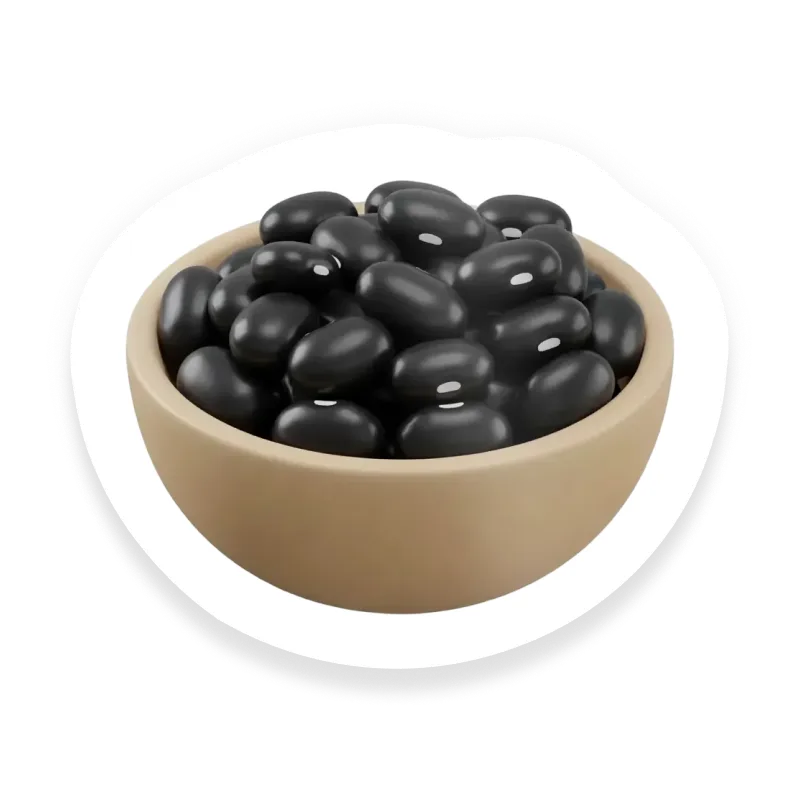
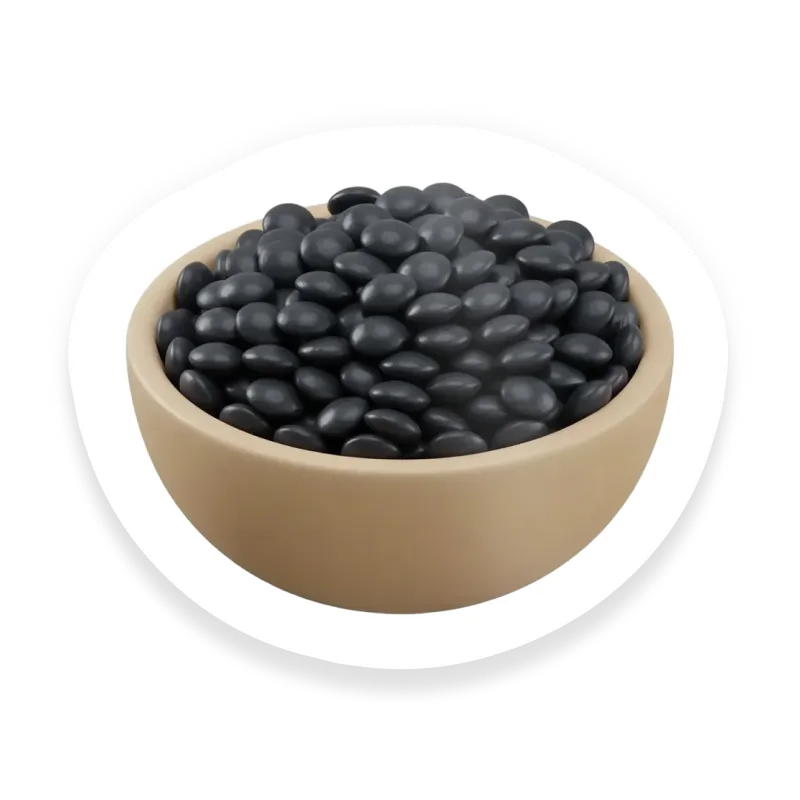
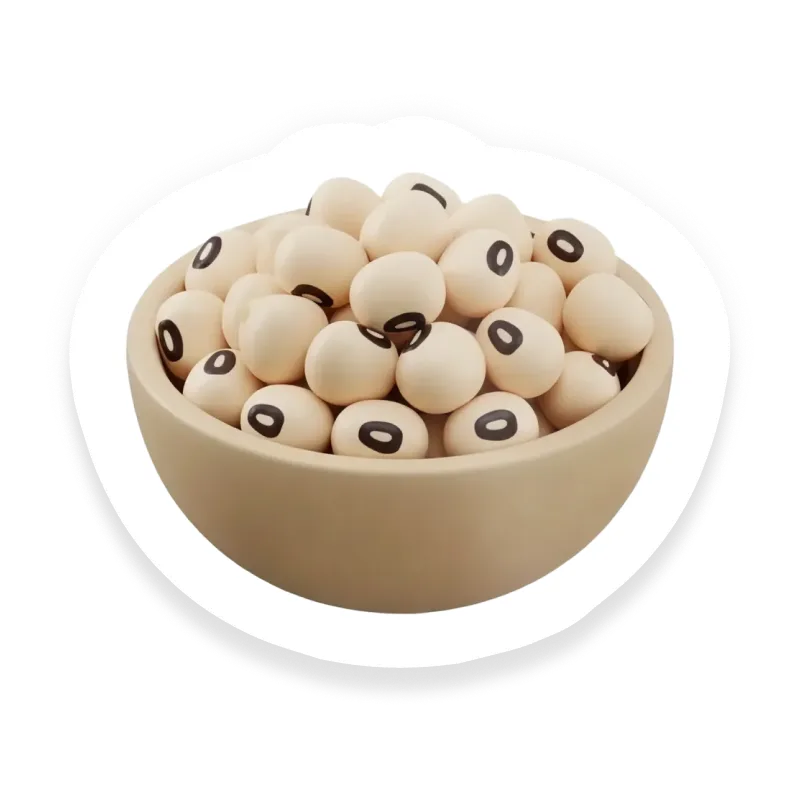
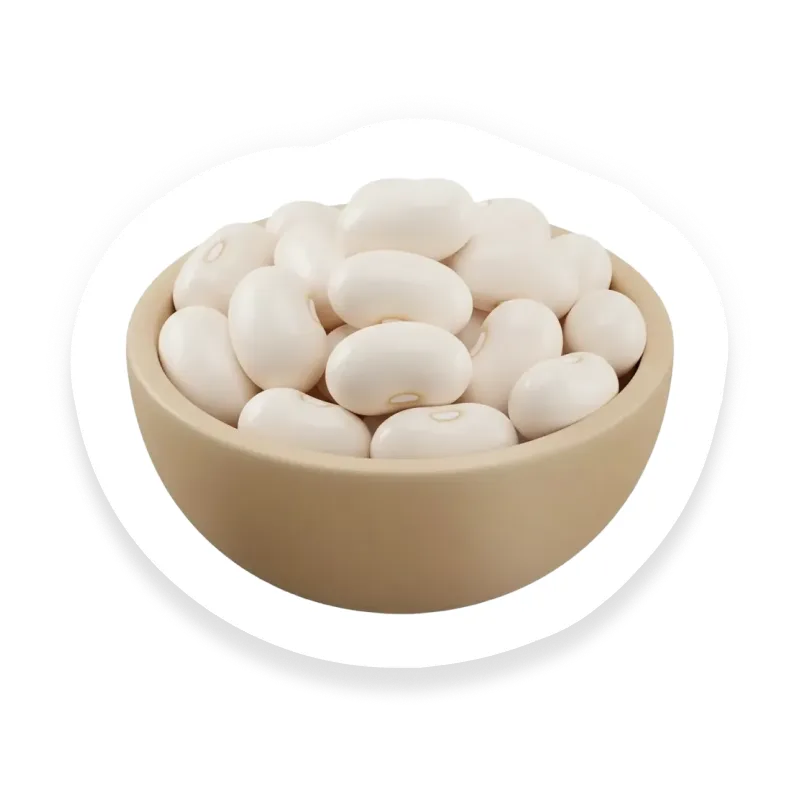
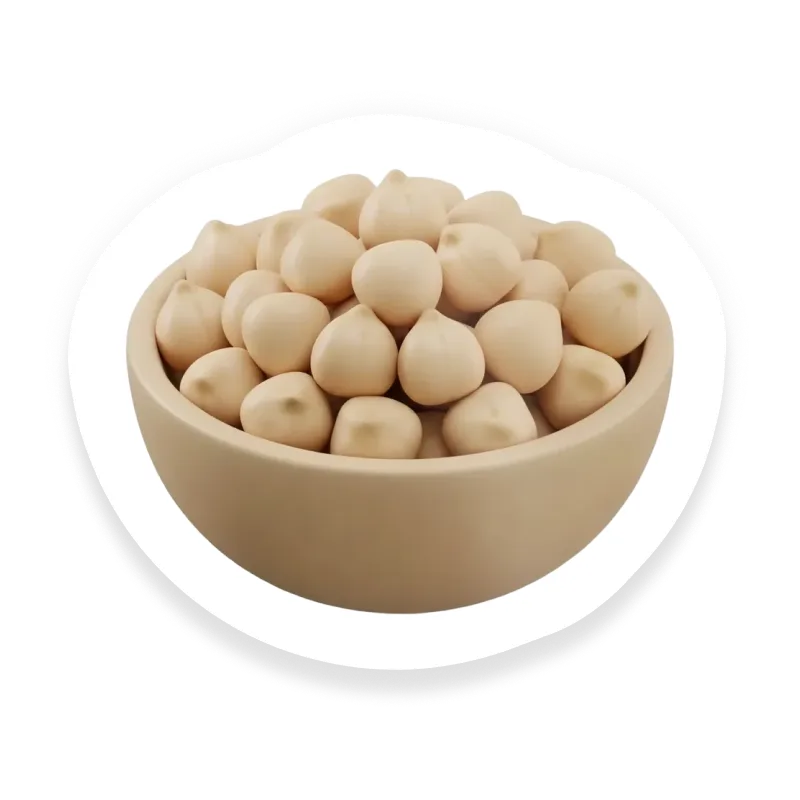
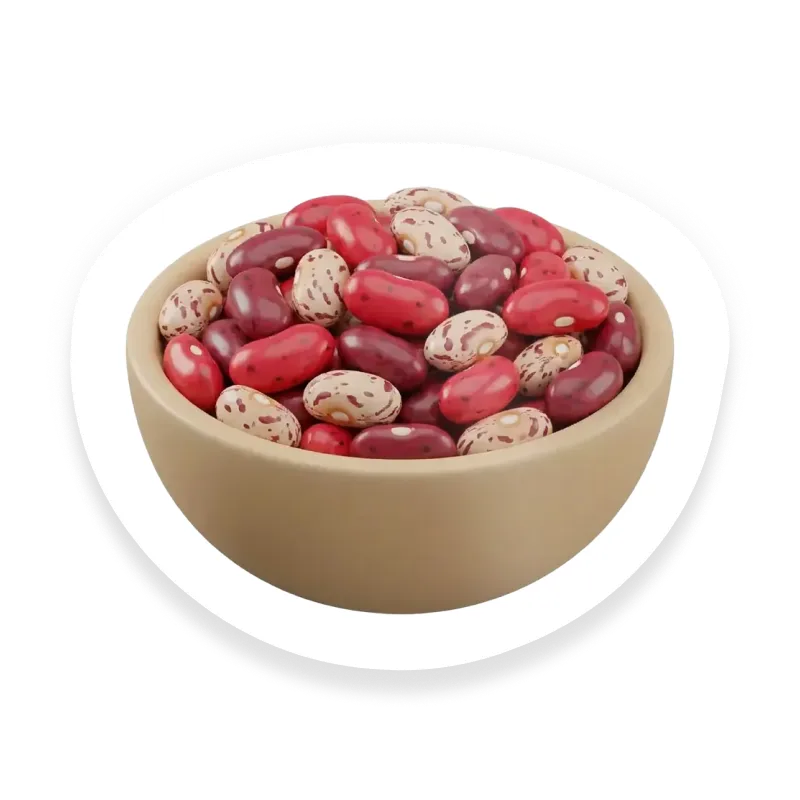
What Other Legume Can Babies Eat?
See all →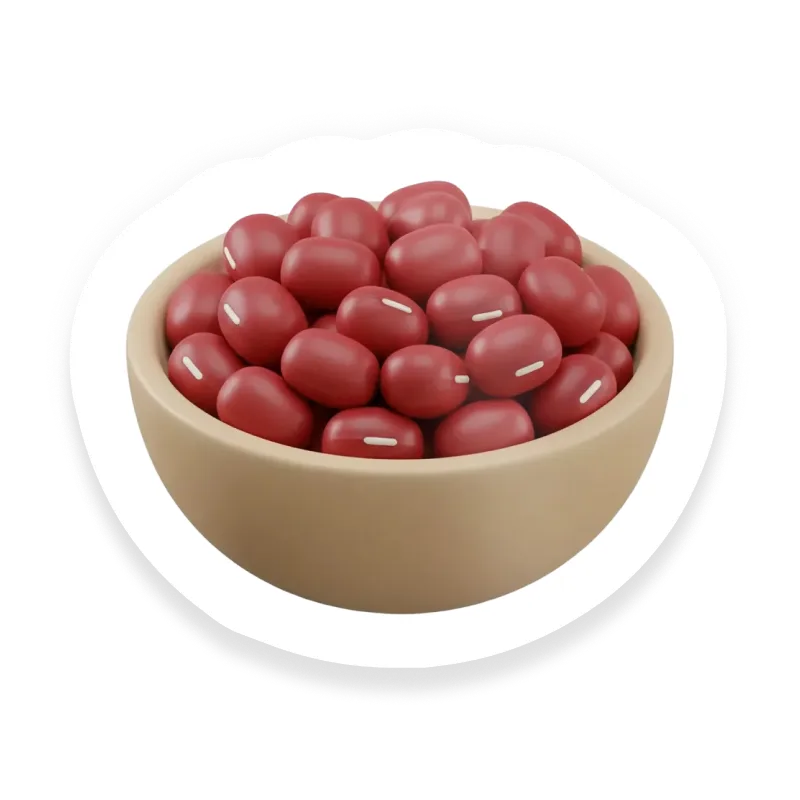
Backed by Science
Data you can trust.
Every food, guideline, and recommendation in Tummi is sourced from leading health institutions and peer-reviewed research.
 Centers for Disease Control and Prevention
Developmental milestones, nutrition guidelines, and allergen introduction timelines.
 American Academy of Pediatrics
Evidence-based feeding recommendations from the leading pediatric authority.
 National Institutes of Health
Peer-reviewed research on infant nutrition, allergies, and food safety.