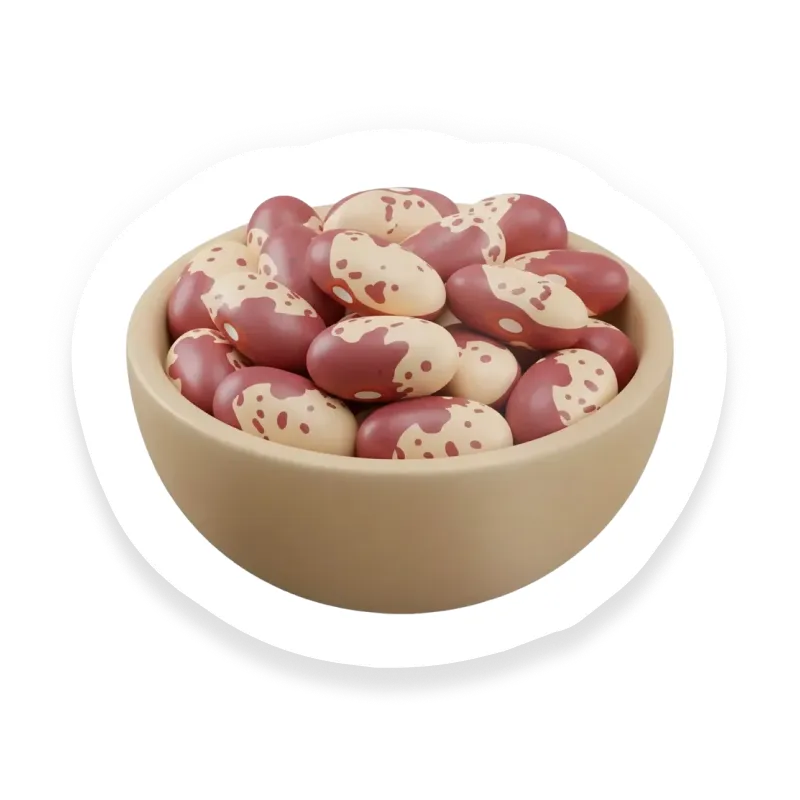
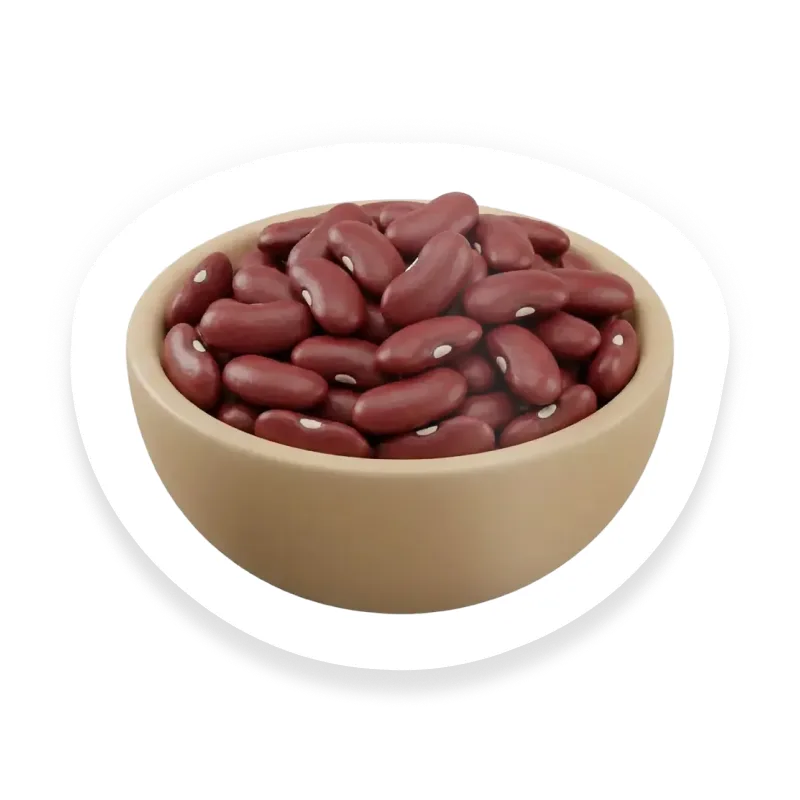
Pinto Bean
Legume
Is Pinto Bean Safe for Babies?
Yes, pinto beans can be introduced around 6 months of age when well-cooked, mashed, and thoroughly pureed.
Yes, but there are some things to know
At a Glance
Pinto beans are a good source of iron and folate, nutrients that help the body make red blood cells. They also give fiber and protein and pair well with vitamin C foods to help your body absorb the iron.
Pinto beans are rich in fiber, which adds bulk and softens stool so it passes more easily. They also contain resistant starch that feeds gut bacteria, which helps keep the digestive system working well.
How Do You Serve Pinto Bean?
- 1Cook the pinto beans until very soft (simmer on the stove or use a pressure cooker), drain and reserve a little cooking liquid, then mash or puree to a smooth or slightly textured paste so the baby can scoop.
- 2Thin the mash with breast milk, formula, a small amount of olive oil, mashed avocado, or plain full-fat yogurt until it reaches a scoopable or spreadable consistency.
- 3Serve small spoonfuls or spread thinly on half a soft tortilla or a thin rice cake; you can also stir it into warm porridge or mashed vegetables — check it’s cooled to a safe temperature.
- 4Start with small amounts and watch for extra gas or changes in stools. Wait 3–5 days before offering another new food so you can monitor for reactions.
Is Pinto Bean a Common Allergen?
Pinto beans are legumes (not the same as tree nuts or fish). Most children with a peanut allergy tolerate other legumes like pinto beans, but a small number can have cross-reactivity—so introduce cautiously if your child has a peanut or known legume allergy. If your child has a diagnosed legume allergy or previous reactions, avoid pinto beans and consult an allergist before offering them. Watch for signs of an allergic reaction (hives, swelling, vomiting, difficulty breathing) and seek immediate care if they occur.
What Nutrients Does Pinto Bean Have?
Pinto beans are nutrient-dense for babies—providing plant protein, fiber, and key micronutrients such as iron, folate, potassium, magnesium, zinc, and B vitamins (notably B6)—which support growth, red blood cell and neurodevelopment, and healthy digestion. Their iron and folate are especially valuable for preventing iron-deficiency anemia, and the fiber and plant protein help steady energy and support the gut microbiome. Because the iron is non-heme, serve pinto beans with vitamin C–rich foods (e.g., bell pepper, tomato) to improve absorption. Offer age-appropriate textures and small portions (beans can cause gas and, in very large amounts, excess fiber may displace other nutrients) and rotate with other iron and protein sources.
Is Pinto Bean a Choking Hazard?
Elevated Choking Risk
Pinto beans are small, rounded, and can be firm—qualities that make them a notable choking hazard for young children. Parents should stay within arm’s reach and watch closely for choking signs (sudden coughing, gagging, inability to cry or breathe) and be prepared to act. Consider delaying whole beans until a child can chew reliably and learn infant choking first aid so you’re ready if needed.
Have More Questions?
Yes. Pinto beans can be stored in airtight containers in the refrigerator for up to 3 days once cooked, or frozen for longer storage, typically up to 3 months.
Yes. You can freeze pureed pinto beans in ice cube trays, then transfer to a sealed bag for easy portioning and storage.
It depends. When choosing pinto beans, opt for organic if possible to minimize pesticide exposure, though conventionally grown beans are generally safe after proper washing and cooking.
Yes. Combine pinto beans with vitamin C-rich foods like tomatoes or bell peppers to enhance iron absorption for your baby.
Start with small portions, around 1-2 tablespoons, and gradually increase serving sizes as your baby's appetite and tolerance grow.
Is Pinto Bean safe for your baby?
Get personalized guidance on introducing Pinto Bean — with prep tips, allergen alerts, and age-specific serving ideas.
Sources
- Cross-Reactivity of Peanut Allergens pmc.ncbi.nlm.nih.gov
- Oral Allergy Syndrome: An Update for Stomatologists onlinelibrary.wiley.com
- Oral Allergy Syndrome (patient leaflet) - Oxford University Hospitals (NHS) ouh.nhs.uk
- Bioactive constituents in pulses and their health benefits pmc.ncbi.nlm.nih.gov
- Lectins — The Nutrition Source, Harvard T.H. Chan School of Public Health nutritionsource.hsph.harvard.edu
- Effect of household cooking methods on nutritional and anti nutritional factors in green cowpea (Vigna unguiculata) pods pmc.ncbi.nlm.nih.gov
- Phytic acid, in vitro protein digestibility, dietary fiber, and minerals of pulses as influenced by processing methods link.springer.com
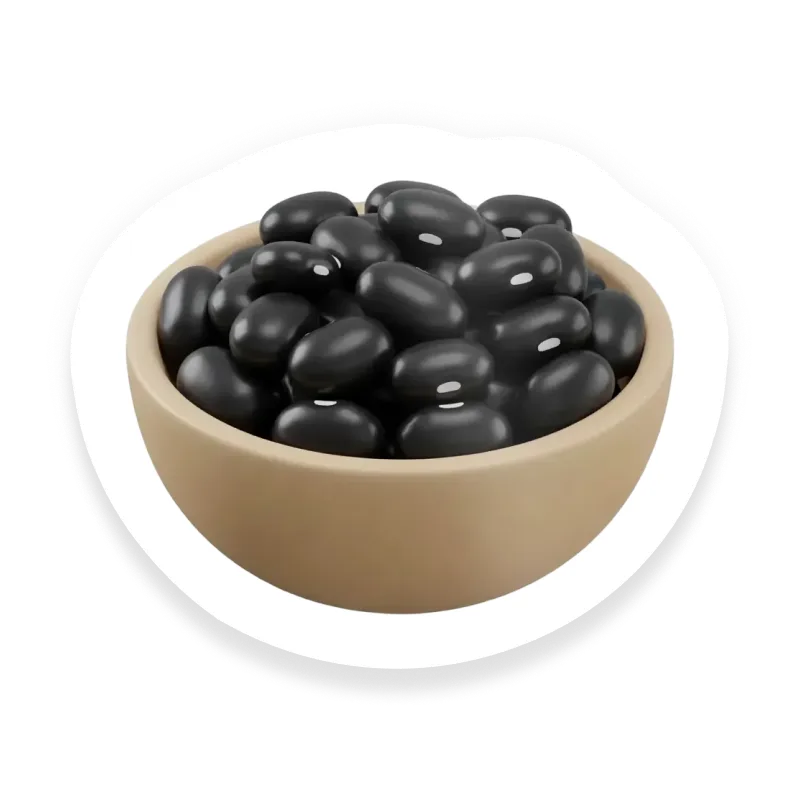
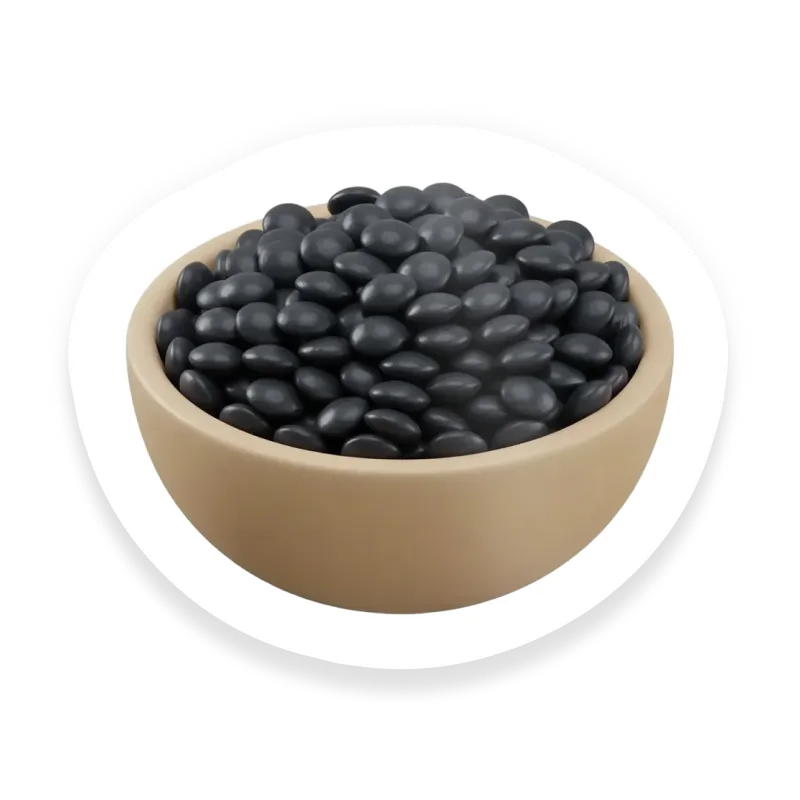
What Other Legume Can Babies Eat?
See all →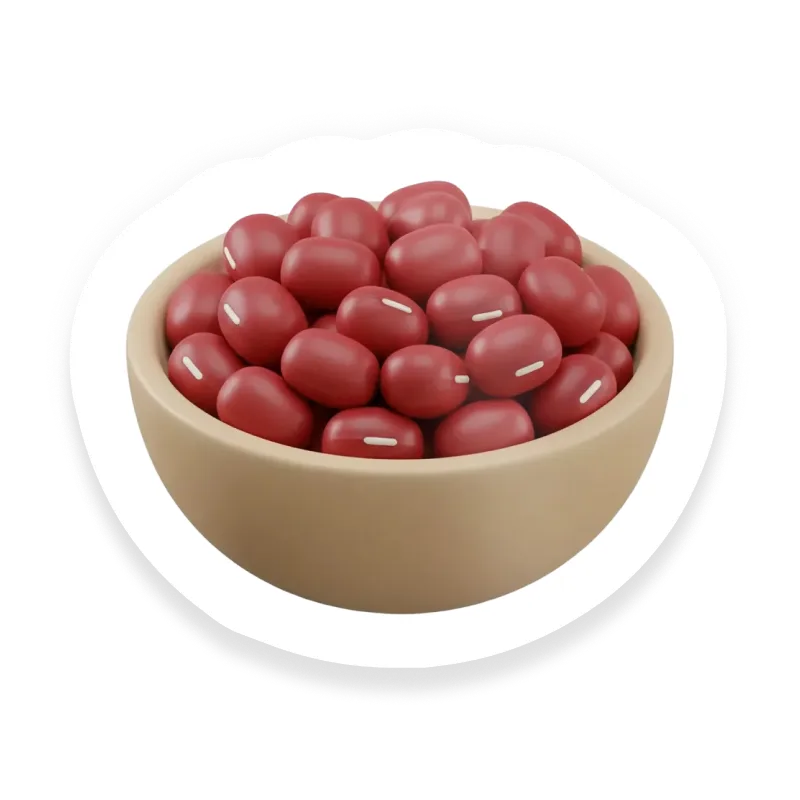
Backed by Science
Data you can trust.
Every food, guideline, and recommendation in Tummi is sourced from leading health institutions and peer-reviewed research.
 Centers for Disease Control and Prevention
Developmental milestones, nutrition guidelines, and allergen introduction timelines.
 American Academy of Pediatrics
Evidence-based feeding recommendations from the leading pediatric authority.
 National Institutes of Health
Peer-reviewed research on infant nutrition, allergies, and food safety.