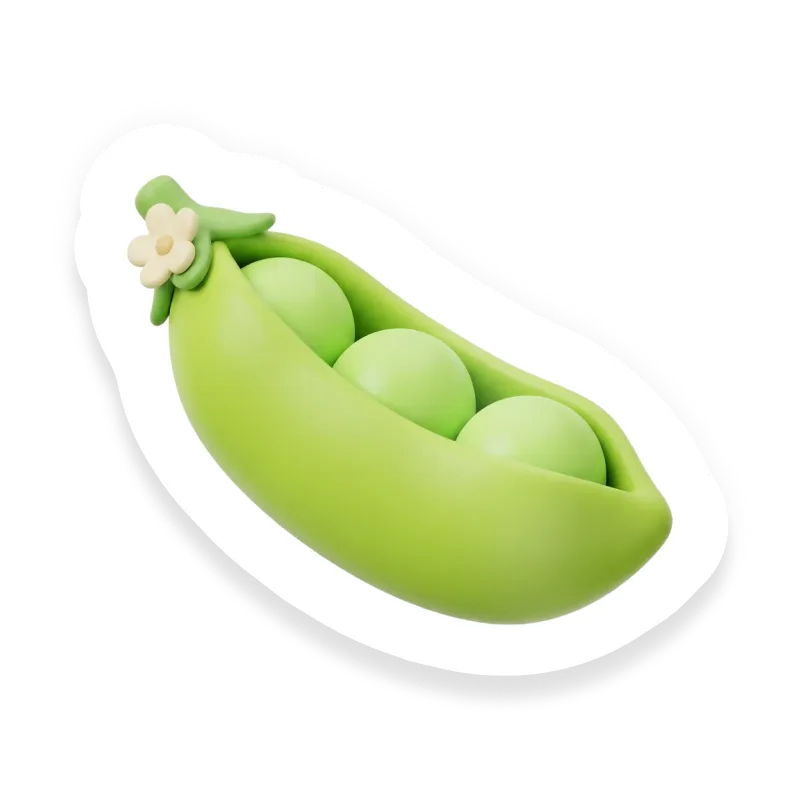
Snow Pea
Legume
Is Snow Pea Safe for Babies?
Yes, snow peas can be introduced at around 6 months when cooked until soft and sliced into manageable pieces, as they are allergen-free and suitable for early solids.
Yes, but there are some things to know
At a Glance
Snow peas are high in fiber and hold a lot of water, which helps food move through the gut and keeps bowel movements regular. They also provide vitamin C and folate, which support gut health.
How Do You Serve Snow Pea?
- 1Cook snow peas until very soft — steam or simmer for 6–8 minutes, until pods and peas are tender.
- 2For safest feeding, remove pods and either finely mash or chop the peas and fold into scoopable foods like porridge, congee, or mashed vegetables.
- 3If offering a whole cooked pod as a teether, fully crush the peas inside and remove any tough strings; supervise closely and offer only when the pod is very soft so the baby mouths rather than swallows.
- 4Always check the food is cool enough, serve small spoonable amounts, and watch for choking or allergic reactions throughout the feeding.
Is Snow Pea a Common Allergen?
Snow peas are not among the top common allergens and do not contain dairy, egg, gluten, shellfish, fish, peanuts, tree nuts, sesame, or soy. Note that peas are legumes—rare pea allergies and possible cross-reactivity with other legumes (including peanuts) can occur, so exercise caution if a child has a known legume or peanut allergy. Also be aware of potential cross-contact during processing and that whole peas can be a choking hazard for young children—serve sliced or soft-cooked as appropriate.
What Nutrients Does Snow Pea Have?
Snow peas are low-calorie and provide vitamin C, vitamin K, folate, B6, fiber, modest plant protein, and small amounts of iron. For babies, vitamin C supports immune health and helps non-heme iron absorption, folate and B vitamins support neurodevelopment, vitamin K helps blood clotting, and fiber aids digestion and regularity. Eating large amounts is unlikely to cause nutrient toxicity, though excessive fiber may cause gas or loose stools; snow peas contain only modest iron so should not be relied on as a primary iron source and are best offered alongside other iron-rich foods and vitamin-C-containing foods to improve absorption.
Is Snow Pea a Choking Hazard?
Elevated Choking Risk
Snow peas have a firm, fibrous pod and can pose a choking risk, particularly if baby bites off whole pieces. Stay within arm’s reach and closely supervise whenever baby is eating them. Make sure caregivers know infant choking first aid and CPR and call emergency services immediately if you suspect airway blockage.
Have More Questions?
Yes. Snow peas can be stored in an airtight container in the refrigerator for up to 3-4 days and can also be frozen for longer storage, making meal prep and future feeding convenient.
Yes. You can freeze pureed snow peas in ice cube trays, then transfer to a freezer bag once frozen, allowing convenient portioning for your baby's meals.
Yes. Organic snow peas are available, but both organic and conventional snow peas are nutritious and safe for babies when properly prepared.
Yes. Combining snow peas with other vegetables or grains can introduce new flavors and textures, promoting varied tastes and balanced nutrition for your baby.
Yes. Offering appropriate portions, such as a few teaspoons to start, and adjusting based on your baby's appetite, helps establish healthy eating habits.
Is Snow Pea safe for your baby?
Get personalized guidance on introducing Snow Pea — with prep tips, allergen alerts, and age-specific serving ideas.
Sources
- Managing Cross-Reactivity in Those with Peanut Allergy doi.org
- Cross-reactivity of peanut allergens doi.org
- Oral Allergy Syndrome: An Update for Stomatologists doi.org
- Vig r 6 and cross-reactivity with Bet v 1-related allergens doi.org
- Oral allergy syndrome - NHS nhs.uk
- Oral Allergy Syndrome (OAS) or Pollen-Food Syndrome - AAAAI aaaai.org
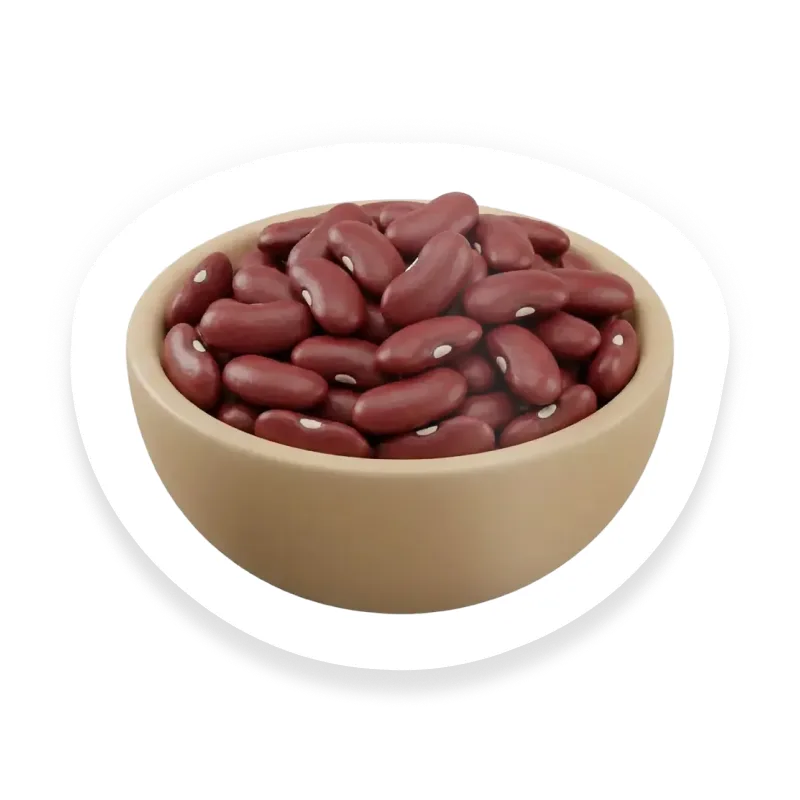
What Other Legume Can Babies Eat?
See all →
Backed by Science
Data you can trust.
Every food, guideline, and recommendation in Tummi is sourced from leading health institutions and peer-reviewed research.
 Centers for Disease Control and Prevention
Developmental milestones, nutrition guidelines, and allergen introduction timelines.
 American Academy of Pediatrics
Evidence-based feeding recommendations from the leading pediatric authority.
 National Institutes of Health
Peer-reviewed research on infant nutrition, allergies, and food safety.